The Enduring Legacy of Leitmayr Alter: A Munich Tatort Journey
For over three decades, the names Ivo Batic and Franz Leitmayr have been synonymous with gripping crime drama, sharp wit, and the distinctive charm of Munich on German television. As the curtain recently fell on their illustrious run, marked by an emotional farewell and record-breaking viewership, the topic of Leitmayr Alter becomes more pertinent than ever. It's not just a reflection on the character's age, but a deep dive into the evolution of a beloved detective, the changing times he navigated, and the remarkable longevity of an actor in a career-defining role.
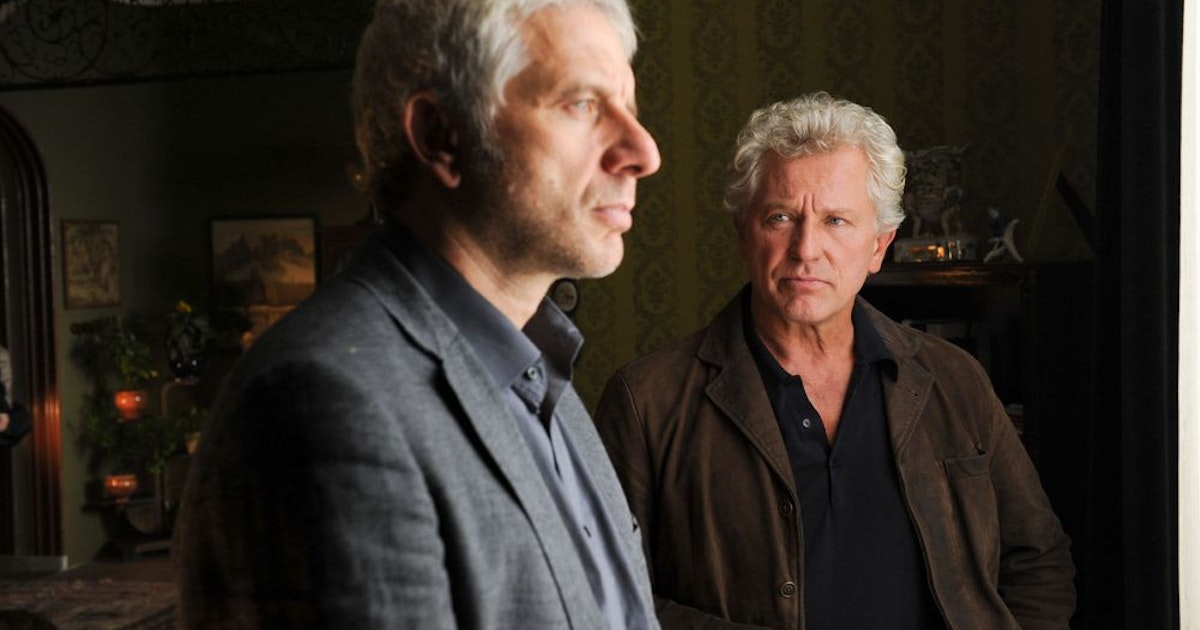
Udo Wachtveitl, as Franz Leitmayr, alongside Miroslav Nemec as Ivo Batic, etched their names into television history, becoming an integral part of the iconic "Tatort" series. Their journey, spanning an impressive 100 cases, mirrored the very fabric of German society, from the D-Mark era to the digital age. This article delves into the fascinating trajectory of Franz Leitmayr, examining his character's development, the pivotal moments of his career, and the lasting impact he leaves behind.
A Grand Farewell: The Emotional Conclusion to a Legendary Run
The final chapter for Munich's most celebrated detective duo unfolded with the two-part special, "Unvergänglich" (Imperishable), captivating millions across Germany. Broadcast over Easter, this swansong event was more than just a series of episodes; it was a cultural phenomenon, drawing immense emotional investment from a dedicated fanbase. The farewell perfectly encapsulated the significance of Leitmayr Alter and the passage of time for these characters, as viewers reflected on their own journey alongside the detectives.
The public's response was nothing short of extraordinary. The second part of "Unvergänglich," airing on Easter Monday, shattered expectations, attracting an average of 6.86 million viewers aged three and above. This marked an increase of 0.26 million from the first part, which had already commanded a substantial 6.6 million viewers on Easter Sunday. Crucially, the appeal extended strongly to younger demographics, with 890,000 viewers aged 14 to 49 tuning in for the finale, representing an impressive 20.8 percent market share in that group. Overall, the episode achieved a commanding 27.8 percent market share, far outperforming its competition.
The resonance of Batic and Leitmayr's departure was further amplified by a subsequent documentary dedicated to the legendary Munich team. This special feature garnered an additional 3.32 million viewers, securing a 16.2 percent market share and highlighting the deep connection audiences had forged with the characters and the actors over decades. This unprecedented viewership for a farewell underscores the duo's unparalleled status in German television, confirming that their legacy is indeed, as the title suggested, "Unvergänglich."
Tracing Leitmayr Alter: From Debut to Seasoned Investigator
To truly understand Leitmayr Alter, we must rewind to January 1, 1991, the day Udo Wachtveitl and Miroslav Nemec first appeared as Franz Leitmayr and Ivo Batic in the Munich "Tatort" offshoot. Their inaugural case, "Animals," introduced a very different duo to the German public. Back then, neither detective had a single grey hair, German Marks were still the currency, and Leitmayr famously drove an old Porsche – symbols of a bygone era that now serve as nostalgic markers of their beginnings.
The plot of "Animals" was characteristic of early "Tatort" episodes, involving a cosmetics company, Pelzer, and the mysterious death of an animal rights activist, Angelika Weiss, who had accused the company of illegal animal testing. While the narrative itself might have been described as "confused and formulaic" by the Süddeutsche Zeitung in a retrospective review, and the detectives as "sympathetic dilettantes," the episode still possessed a certain "bite," according to TV-Spielfilm.
However, it was not an instant classic. Udo Wachtveitl himself candidly admitted that he and Nemec truly "found" their rhythm and developed the unique chemistry that would define their partnership in their third case, "Die chinesische Methode." This was a crucial turning point, transforming them from promising newcomers into the compelling duo audiences would grow to adore. This period also saw the introduction of recurring characters like Carlo Menzinger, portrayed by Michael Fitz (who had also appeared in a different role in "Animals"), adding depth to their investigative world until 2007.
The journey of Leitmayr Alter from those early, slightly uncertain steps to a confident, seasoned investigator reflects not only the passage of time but also the meticulous development of a character. It highlights the challenges and rewards of crafting a persona that evolves naturally with the show, maturing in intellect and gravitas while retaining core traits that make them relatable.
The Enduring Partnership: Batic, Leitmayr, and the Fabric of Tatort
The strength of the Munich "Tatort" lay undeniably in the dynamic between Batic and Leitmayr. Their partnership was a masterclass in contrasting personalities – the more impulsive, street-smart Batic complementing the intellectual, often cynical Leitmayr. This interplay, peppered with moments of dry humor and genuine camaraderie, allowed them to tackle complex cases while offering viewers a consistent, human touch. Their ability to adapt and remain relevant for over 30 years speaks volumes about the timeless appeal of well-developed characters and compelling storytelling.
With 100 cases under their belt, Batic and Leitmayr hold the record for the most episodes featuring a single detective duo in "Tatort" history. Only Lena Odenthal (Ulrike Folkerts) from Ludwigshafen has been on screen longer overall, appearing since 1989. This remarkable longevity is not merely a statistic; it's a testament to their profound cultural impact. They became a Sunday night ritual for millions, reflecting societal changes, moral dilemmas, and the intricacies of human nature through the lens of Munich's vibrant landscape.
Practical Insight: The Anatomy of a Long-Running Character
- Consistent Core, Evolving Nuances: A character like Leitmayr maintained his fundamental traits (intelligence, introspection) but adapted to new challenges and personal experiences.
- Strong Chemistry: The partnership with Batic was key. Their contrasting styles created tension, humor, and mutual respect, keeping the dynamic fresh.
- Reflection of the Times: While fictional, their stories often touched upon contemporary issues, making them relevant to audiences.
- Actor's Dedication: Udo Wachtveitl's commitment to portraying the nuances of Leitmayr for over three decades allowed the character to grow organically.
The "Leitmayr Alter" phenomenon, therefore, is not just about the character aging, but about how that aging was portrayed, how the character evolved in his professional and personal life, and how his enduring presence mirrored the viewers' own passage through time. It's a testament to the power of television to create lasting connections and build fictional worlds that feel deeply real.
Insights into the Leitmayr Phenomenon and Its Legacy
The success of the Munich "Tatort" and the enduring appeal of Franz Leitmayr can be attributed to several factors. Beyond the captivating plots, it was the nuanced portrayal by Udo Wachtveitl that brought Leitmayr to life. His ability to convey deep thought, subtle humor, and a world-weary cynicism, yet still retain a core sense of justice, made Leitmayr a complex and believable figure. This performance, coupled with the impeccable chemistry with Miroslav Nemec, created a viewing experience that transcended typical crime procedural.
The Munich setting itself became almost a third character, lending a unique flavor to their investigations. From the grand historical buildings to the bustling beer gardens, the city was an integral part of their narrative, differentiating their "Tatort" from others in the series. The blend of serious crime with occasional moments of levity and character-driven drama was a hallmark of their episodes, setting a high standard for crime fiction on German television. The enduring interest in topics like Leitmayr Alter underscores the public's deep connection to these characters long after their final case.
Their departure marks the end of an era, but the legacy of Batic and Leitmayr, and particularly the profound journey of Franz Leitmayr, will undoubtedly continue to influence German television for years to come. Their 100 cases offer a rich archive of storytelling, character development, and societal commentary that will be revisited and admired by generations of viewers.
The journey of Leitmayr Alter, from a fresh-faced recruit in 1991 to a respected, experienced detective bidding farewell in 2024, is a powerful narrative of consistency, evolution, and cultural impact. Franz Leitmayr, brought to life so masterfully by Udo Wachtveitl, became more than just a character; he became a Sunday night companion, a reflection of changing times, and an indelible part of German television history. His legacy, entwined with that of his partner Ivo Batic, stands as a testament to the enduring appeal of well-crafted storytelling and deeply human characters.